Coffee culture
Coffee Around the World: Diverse Brewing Traditions
November 2, 2026 · 6 min read
Coffee culture around the world varies significantly, shaped by centuries of local history, climate, and social ritual. While the fundamental ingredient remains the roasted seed of the coffee cherry, the methods of preparation and the environment in which it is consumed define these unique global coffee traditions. From the precision of an Italian espresso bar to the leisurely pace of a Swedish fika, these practices reveal how a simple beverage acts as a cornerstone for human connection. Understanding these diverse customs offers insight into how different societies value time, hospitality, and flavor, helping enthusiasts refine their own brewing habits at home with equipment like our Shop Northwood Roast coffee.
The Roots of Ritual: Ethiopian and Turkish Traditions
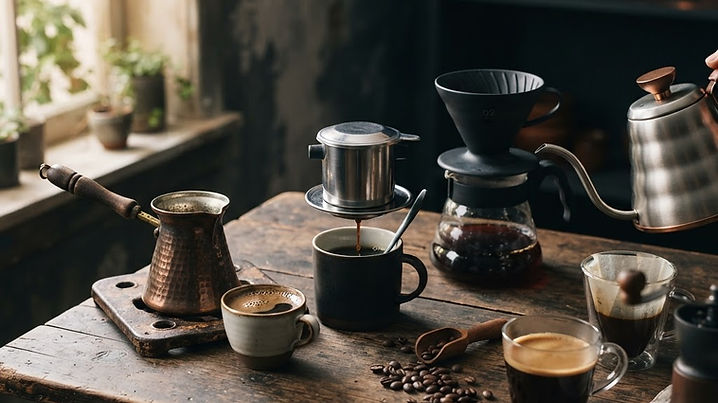
Coffee originated in Ethiopia, where the coffee ceremony remains a central social pillar. This ritual involves roasting green beans in a flat pan over charcoal, grinding them by hand with a mortar and pestle, and brewing the grounds in a clay vessel known as a jebena. The coffee is typically served in three rounds—Abol, Tona, and Baraka—each becoming progressively weaker as hot water is added to the grounds. This process can last several hours, emphasizing hospitality and community rather than mere caffeine intake. In contrast, Turkish coffee culture centers on the cezve, a small long-handled copper pot. The beans are ground to an extremely fine, flour-like consistency. The coffee is brewed with water and sometimes sugar directly in the cezve, heated slowly until it froths. It is poured unfiltered into small cups, allowing the grounds to settle at the bottom. This method produces a thick, potent cup that demands slow sipping, usually accompanied by a glass of water to cleanse the palate. Both traditions highlight the importance of patience in coffee preparation.
Mediterranean Precision: Italian and French Cafe Culture
Italian espresso culture is built on speed, precision, and social frequency. A standard Italian espresso is 25 to 30 milliliters, extracted in roughly 25 to 30 seconds from 7 to 9 grams of finely ground coffee at a pressure of 9 bars. Italians rarely sit for hours; they approach the bar, order a single shot, and consume it while standing. The emphasis is on the freshness of the roast and the quality of the crema, the golden foam atop the liquid. France offers a different pace, focusing on the cafe as a public living room. French cafe life emphasizes the cafe au lait, usually served in a bowl or a large cup, perfect for dipping a croissant or tartine. While espresso remains the foundation, the French experience is about observing the street from a sidewalk table. This cultural difference highlights a divide between coffee as a functional, high-energy necessity in Italy and coffee as an atmospheric, leisure-based activity in France. Many home brewers seek to replicate these distinct profiles using Shop Northwood Roast coffee and professional-grade grinders.
Sweetness and Strength: Vietnamese and Cuban Methods
Vietnamese coffee culture relies on the phin, a small metal drip filter that sits directly on the glass. It is a slow-drip process that yields a very concentrated extract, which is almost always balanced by a generous layer of sweetened condensed milk. Due to the historical difficulty of accessing fresh dairy, this method became the standard for Vietnamese coffee, creating a dessert-like, high-caffeine profile. In Cuba, the colada—a small cup of highly sweetened espresso—functions as a shared social currency. The coffee is brewed with brown sugar mixed into the grounds before extraction, resulting in a dark, syrupy shot meant to be divided into thimble-sized plastic cups and shared among friends. Both cultures demonstrate how coffee can be adapted to overcome ingredient shortages, transforming the cup into a vehicle for intense sweetness and body. These methods contrast sharply with the trend toward acidic, light-roasted specialty coffees, proving that there is no single 'correct' way to prepare coffee across different global geographies.
The Northern Approach: Scandinavian Fika and Light Roasts
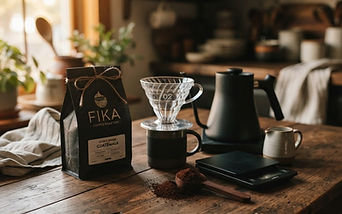
Scandinavia consistently ranks among the highest in per-capita coffee consumption. Swedish culture highlights 'fika,' a mandatory coffee break that prioritizes socialization and a pastry, usually a cinnamon bun. The brewing style here tends toward light roasts, often prepared via pour-over or filter methods that highlight the delicate floral and fruity notes of high-altitude beans. Scandinavian roasters pioneered the Nordic style, which uses lower roasting temperatures and shorter roast times to preserve the inherent characteristics of the coffee cherry. This approach requires precise water temperatures, usually between 195 and 205 degrees Fahrenheit, and consistent grind sizes to avoid bitterness. For the Scandinavian drinker, coffee is not about hiding the flavor behind milk or sugar, but rather about elevating the origin characteristics of the bean. This philosophy deeply influences the modern specialty cafe movement, which seeks to treat coffee more like a fine tea or wine, valuing transparency in sourcing and meticulous preparation techniques above all else.
The Modern Specialty Cafe Experience
Modern specialty coffee culture is a global phenomenon that synthesizes these historical traditions with scientific rigor. Today's specialty cafes prioritize the 'third wave' philosophy: treating coffee as an artisanal product. This involves direct trade relationships with farmers, single-origin sourcing, and brewing logs that track variables like TDS (Total Dissolved Solids) and extraction percentage. A modern cafe might offer a rotating menu of beans from Ethiopia, Colombia, and Indonesia, each brewed using methods like the V60, Chemex, or Aeropress. While this movement respects the history of the Italian espresso bar, it moves away from dark, oily roasts in favor of profiles that emphasize terroir. This scientific approach has helped consumers better understand the connection between bean processing—such as natural, washed, or honey processes—and the final flavor profile. Whether in Tokyo, New York, or a small town in the Northwoods, the goal remains the same: to produce the most accurate representation of the green coffee bean’s potential through controlled heat and water chemistry.
Frequently asked questions
Why do some cultures drink coffee with sugar or condensed milk?
Historically, additives like condensed milk or sugar were used to mask the bitterness of lower-quality or over-roasted beans. In regions like Vietnam or Cuba, these ingredients became integral to the flavor profile, creating distinct cultural beverages that prioritize sweetness and texture alongside the coffee's natural caffeine content.
Is one brewing method objectively better for health?
Research generally suggests that coffee consumption is associated with various health benefits, though results vary based on individual metabolism and additives like sugar or cream. Brewing methods that use paper filters remove more cafestol, a compound that can raise cholesterol levels, compared to unfiltered methods like French press or Turkish coffee. Readers should consult with a medical professional regarding their specific health concerns.
How does bean roast level impact the final cup?
Light roasts retain more of the coffee bean's original flavor compounds and acidity, making them popular in Scandinavian and specialty circles. Dark roasts prioritize the flavors developed during the roasting process, such as chocolate, caramel, and smoke, which often results in a heavier mouthfeel and lower acidity.